ALBERTA PROTOCOLS AND DOCUMENTS
NEWS
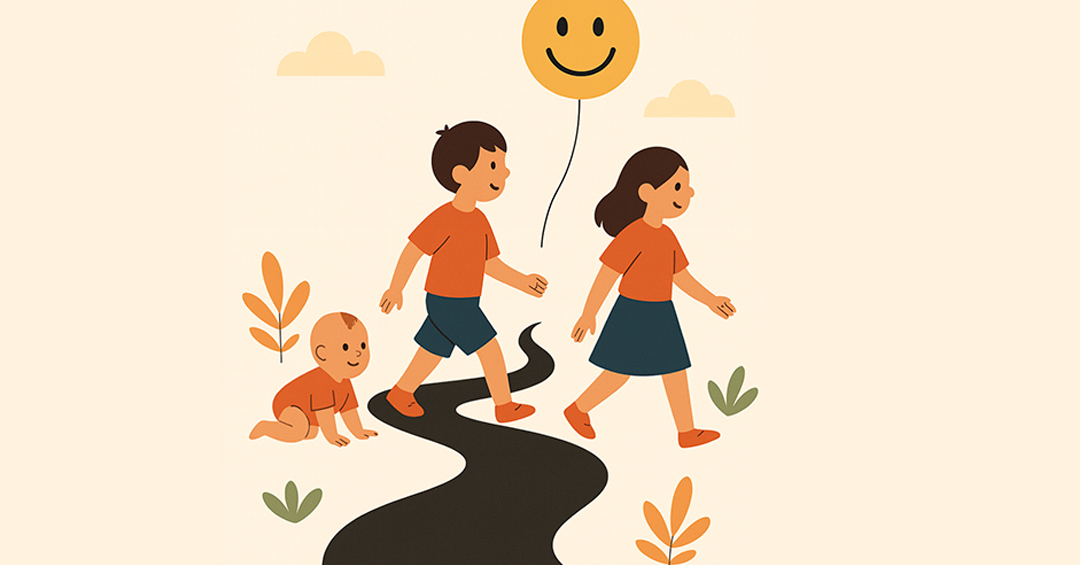
Happiness as a Path: What Does “I Want My Child to Be Happy” Really Mean?
By Miss Gaby Castellanos In almost all of my conversations with families, a phrase comes up that I hear frequently and that is born from the most genuine love: “I just want my child to be happy.” But when I ask, What does that happiness look like? How do we build it?...
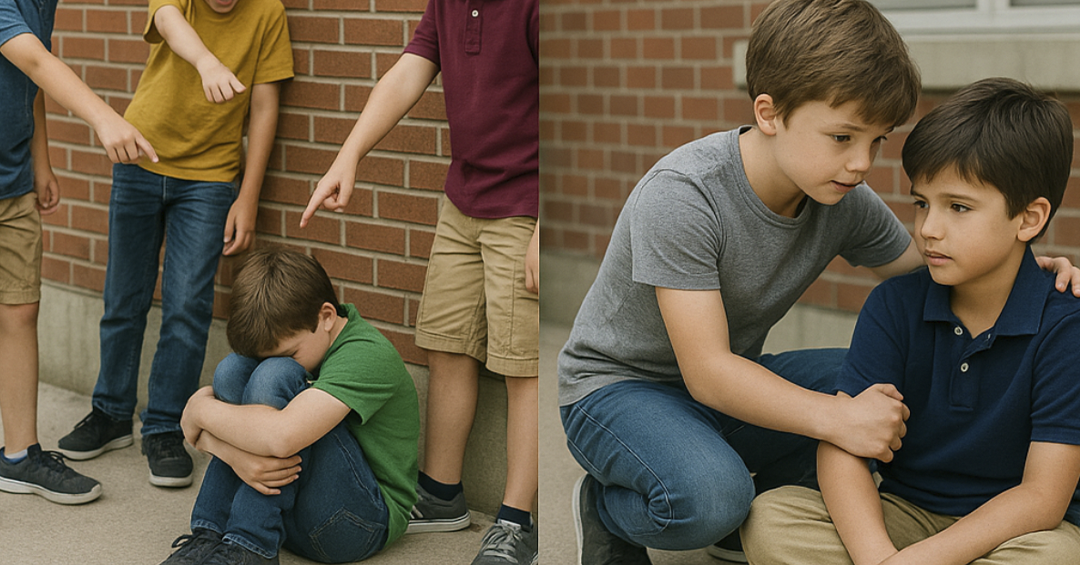
Not everything is bullying: When conflict also educates
By Miss Gaby Castellanos In parents’ WhatsApp groups, “bullying” has become a buzzword. We often hear: “They called him ugly during recess—they’re bullying him,” or “They didn’t invite her to play—they’re isolating her.” But… What if not everything that makes...
Crystal Children: When overprotection dims their shine
We live in a time when many parents want their children to be happy, free, and self-confident. Yet, without realizing it, we sometimes plant the very fear and insecurity we wish to prevent. We want them to trust themselves, but we correct them harshly when they make...
From Idea to Creation: The Grade 6 Lamp Project
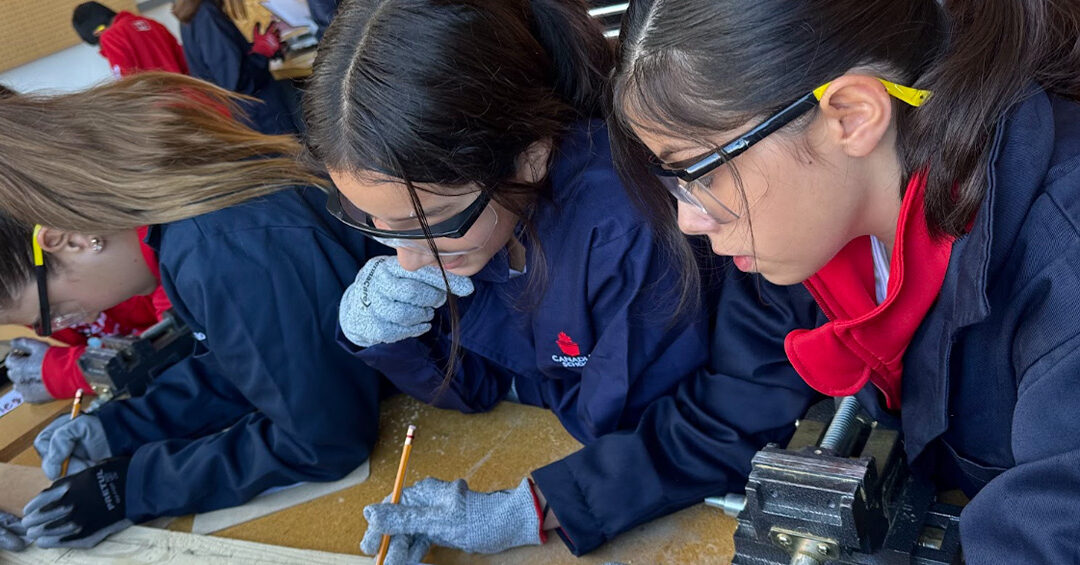
At the Innovation Center of Canadian School, our Grade 6 students are discovering the power of learning by doing. As an introduction to woodworking, each group works collaboratively to replicate a wooden dog-shaped lamp, a project that brings together creativity,...

What Are Our Children Watching?
By Miss Gaby Castellanos, General Director at Canadian School Querétaro The importance of checking the ratings of series, shows, and movies In a time when children and teenagers have immediate access to all kinds of content —from cartoons to seemingly “harmless”...
ABOUT QUERÉTARO
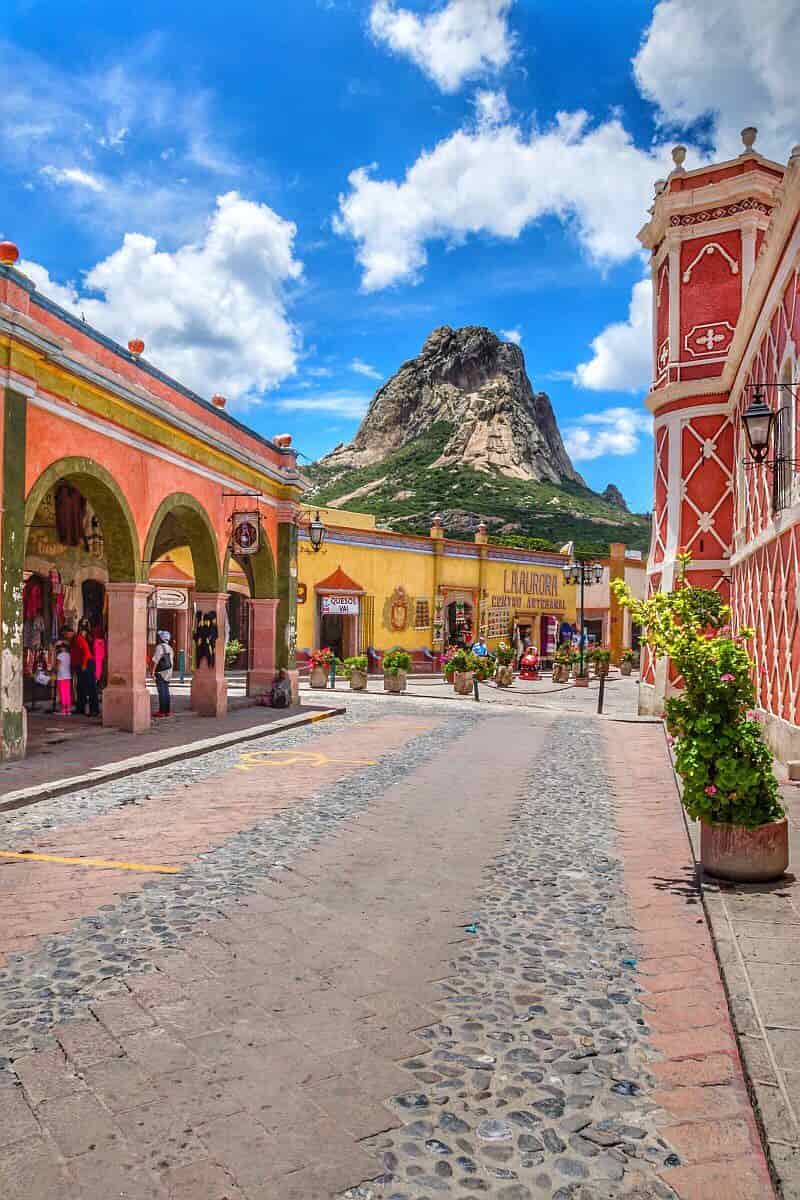
Querétaro is one of the 32 federal entities of Mexico. It is divided into 18 municipalities. Its capital city is Santiago de Querétaro. It is located in north-central Mexico, in a region known as Bajío. It is bordered by the states of San Luis Potosí to the north, Guanajuato to the west, Hidalgo to the east, México to the southeast and Michoacán to the southwest.
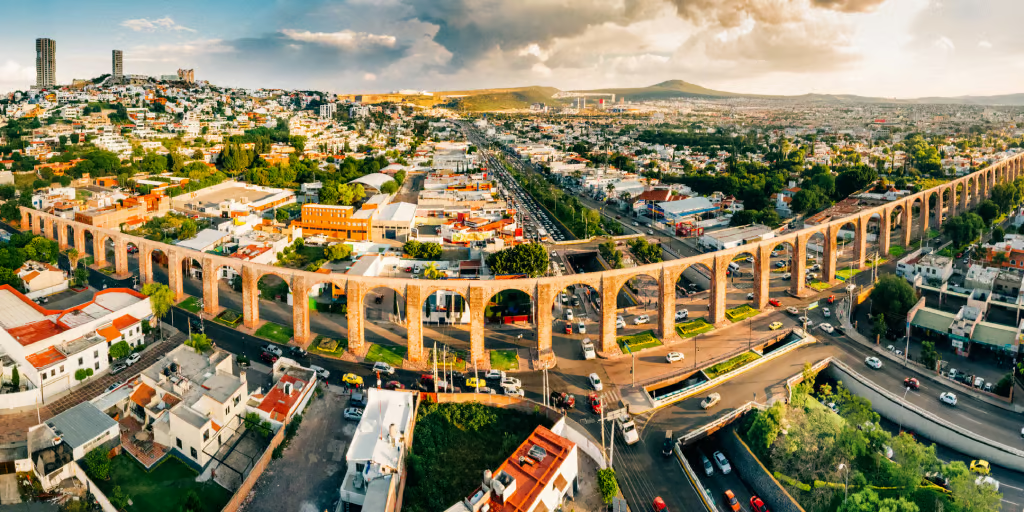
The state is one of the smallest in Mexico, but also one of the most heterogeneous geographically, with ecosystems varying from deserts to tropical rainforest, especially in the Sierra Gorda, which is filled with microecosystems. The area of the state was located on the northern edge of Mesoamerica, with both the Purépecha Empire and Aztec Empire having influence in the extreme south, but neither really dominating it. The area, especially the Sierra Gorda, had a number of small city-states, but by the time the Spanish arrived, the area was independent from imperial powers. Small agricultural villages and seminomadic peoples lived in the area. Spanish conquest was focused on the establishment of Santiago de Querétaro, which still dominates the state culturally, economically and educationally.